Learning by Doing

Hands-On Projects

Financial literacy becomes real when you work through it yourself. These are the exercises and activities that make our seminars more than just listening.

Why Exercises Matter

You understand money better when you handle it, even in a workshop.

Passive listening fades quickly. Working through a real budget calculation, tracing a credit card balance through months of minimum payments, or building an emergency fund plan for your actual income, these activities create understanding that sticks. Each exercise in our seminars is designed around realistic Filipino salary ranges and spending patterns. Nothing abstract. Nothing hypothetical.

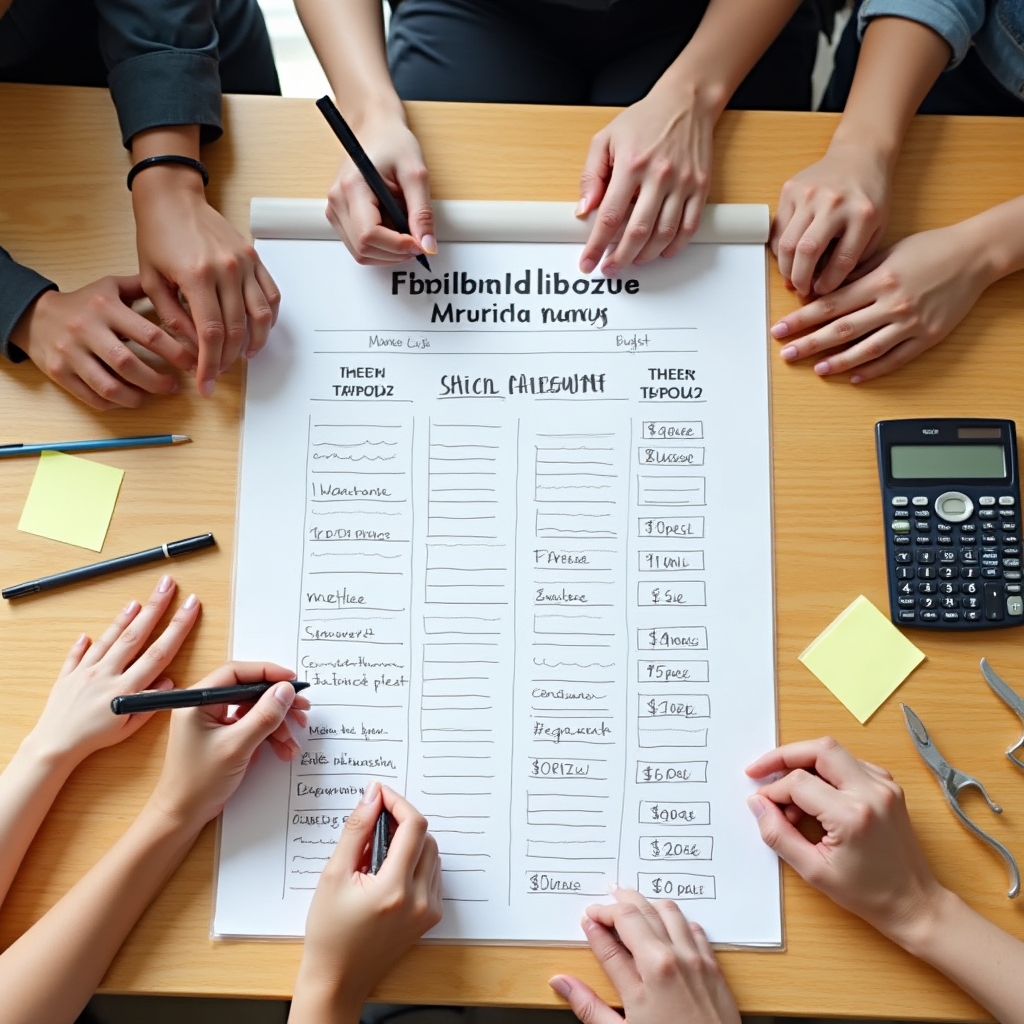
Hands filling out a physical envelope budgeting worksheet with categories and peso amounts during a seminar
Exercise 01

The 30-Day Envelope Map

Participants receive a worksheet showing a sample monthly income. Working individually, they allocate amounts to categories: rent, food, transportation, utilities, personal spending, and savings. The exercise is then repeated with a second income figure 20% lower, requiring difficult trade-offs. Facilitators do not tell participants what to cut. The discomfort of making those choices is itself the learning.

Trade-off awareness Category thinking Constraint planning
Exercise 02

The Minimum Payment Calculation

Using a printed credit card statement template, participants trace what happens to a balance when only the minimum payment is made each month. They calculate how many months it takes to clear a specific balance and how much total interest accumulates. The numbers, when computed by hand, tend to be surprising. This is intentional. The exercise is not designed to frighten. It is designed to inform.

Interest mechanics Long-term cost visibility Statement literacy
Exercise 03

Emergency Fund Timeline Builder

Participants calculate their own monthly essential expenses, then determine what three months of coverage would look like. From there, they work backward: given what is left after monthly obligations, how many months would it take to reach that target? This exercise often reveals that the goal is achievable, just slower than expected. Slow and achievable is a more useful realization than fast and vague.

Goal setting Expense awareness Timeline planning
Exercise 04

Predatory Loan Ad Spotting

A collection of printed screenshots from real social media loan advertisements is distributed. Participants work in pairs to identify red flags: missing interest rate disclosures, pressure language, vague repayment terms, and missing lender identification. Groups then compare findings. This exercise builds pattern recognition that carries over to actual online browsing behavior long after the seminar ends.

Critical reading Red flag recognition Peer learning
Exercise 05

Digital Wallet Setup Workshop

Participants open their actual GCash or Maya apps during the session. A facilitator walks through how to use savings pockets, spending limits, and transaction history as budgeting tools. This is not a tutorial on the apps themselves. It is a demonstration of how existing features, already available to most attendees, can be used with intention rather than passively.

Practical application Tool awareness Habit formation
Experience It Yourself

These exercises work best when you do them in person.

Reading about them is a start. Actually filling out the worksheet, making the calculations, and discussing the results with others in the same situation is where the understanding clicks.

Find a Session

Open sessions run monthly at our Makati office. Organizational sessions can be arranged on request.